Have a pleasant personality, please…

You better change your attitude, mister, or I will change it for you. I remember occasionally hearing those words as a kid, and I wondered how anyone could change someone else’s disposition. I considered that question, but I was smart enough never to verbalize it, which would have been bad for my physical health. So instead, as a young man, I tried to have a great attitude, no matter the situation. And meditating while camping in Mother Nature in the Boy Scouts always helped tremendously. I now stay positive and hope a smile or kind words I give is just what someone needs to change their outlook on life.

There are a lot of negative issues that come with a medical diagnosis, like multiple sclerosis. However, any disease can weigh heavily on your body physically, mentally, emotionally, and even socially at any step of the way. When someone with any medical condition cannot do things they once did, it becomes inevitable to lose friends. This situation makes it easy to fall into darkness, causing you to act bitter and abrasive to others, encouraging them to reciprocate. Therefore, improving your outlook is essential for your mental and social health.

I do several tasks to help boost my happy hormones and encourage joy in my life. First, a pleasant personality in public will inspire others to be joyful, as a cheerful attitude is contagious. In other words, a friendly smile begets empathetic compassion, while a melancholy frown attracts apathetic indifference. So, no matter your medical diagnosis, you will probably go through the five stages of grief at your speed. However, I have heard you should fake it till you make it, so while traveling through this acceptance process, paste on a smile and reap the rewards.

Consuming complementary cuisine is one of the first issues to keep a healthy and cheery life. There are many diets, no matter if you are trying to get healthy or have a medical condition to help. Most diets are good, so I recommend finding the one that fits best into your lifestyle. Healthy eating is important because it helps you physically and benefits your brain and cognition. For example, when I feel good and think clearly, it is easier to wear a smile and be pleasant at all times, making life better, not bitter.

Another essential duty for a happy life is getting into a solid sleep routine. For a while, I had a sleep doctor who helped me become well-rested through my downtime difficulties. While sleeping, your brain reboots like a computer, and the lack of proper slumber stops this much-needed cognitive reset. If you nap for several hours in the daytime, it will be tough to sleep at night, making you tired the next day, causing a vicious cycle. So, limit your daytime naps to thirty minutes, but no more than an hour, using timers or alarms to create a good sleep structure. It may be difficult initially, but you will appreciate your work once your body and brain adjust.

Meditation has physical, mental, and even emotional benefits, and practicing is the best way to receive these potential perks. One option to reach peace is to set aside a specific time every day to put your brain in a meditative state. This repetitive action will help you continually manage and reduce the stress that can otherwise ruin your day. Starting with only five minutes at a specific time of day puts you into a tranquil place that will help you all day. Another option is taking slow and controlled breaths that can aid you mentally if caught in traffic or other stressful situations. This continually calming practice will reduce blood pressure and stress, making you and your doctor extremely happy.

No matter if you are taking vitamin D or basking daily in natural sunlight, there are a plethora of perks for your enjoyment. When soaking up the sunlight in your life, these physical and mental benefits help in unexpected ways. Lapping up solar rays can help bone health and fight infections, diabetes, and cancers alike. Sunlight saturation can also raise your serotonin production levels, boosting your mood and making you happier.

Exercise is not merely for toning and building muscles, but also for brain betterment. It boosts the creation of several chemicals in the brain, like dopamine, serotonin, oxytocin, and endorphins. These brain compounds help the body reduce anxiety, stress, and depression, helping to eliminate the need for pills. Thus, there are just as many benefits to exercise for the mind as for the body, if not more. As little as thirty minutes a day of physical activity can have you reaping the rewards of these brain-boosting benefits.

It is understandable to be sad after a medical diagnosis that can ultimately and drastically change your life. The struggles are real and plentiful, but it is essential to lean on your support system and those who truly understand your condition. Your friends and family are great and may empathize, but those dealing with the same issues have a much deeper understanding of your struggles. So it is in your best interest to keep your visit to this dismally dark place brief, like your life depends on it because it does. Then, follow the steps I previously discussed to make a new and better life for yourself and your support system.

If you are kind to others, you run the risk of them being kind to you.

25 things you didn’t know about me…

My friend Kelly recently watched YouTubers make videos on “25 things you didn’t know about me.” She recommended I do a blog on this subject, suggesting that my readers would enjoy learning tidbits about me. So, I started with a blank page, like beginning with a chunk of clay, theoretically spinning it on a potter’s wheel, molding it into ideas. I feverishly scraped the edge of the clay with a wooden tool that put squiggles into the medium to give interpretations of goals. Finally, I added a glaze to seal in all the adjectives and nouns to make this bowl of paragraphs enjoyable for your viewing pleasure. 

  1. They held me back in the third grade because they learned I had dyslexia.
  2. Throughout my middle school years, I played the clarinet.
  3. My life from 11 to 18 years old was a very active Boy Scout troop.
  4. At 13, I returned home from a Boy Scout camping trip to an empty, locked house as my parents had moved without telling me. I waited problematically perplexed for an hour before someone thankfully came and got me.
  5. I worked at a Boy Scout summer camp starting at 14 for five of the most incredible summers of my life. If money was no object, I could have worked there for decades.
  6. From 11 to 18, I was an avid bicycle rider who rode bikes with my best friend, Mike, all over town. I could have ridden like that for decades if time was no object.
  7. I have always loved Mother Nature, and at 15, I chose to go backpacking in the Rocky Mountains for twelve days over going to Disney World.
  8. I became an Eagle Scout at 17 after an 8-year Boy Scout adventure.
  9. One month after High School, I got married.
  10. At 19, immediately after high school and freshly married, I shipped off to boot camp for the United States Marine Corps.
  11. My job in the Marine Corps was Logistics, Land Support Battalion, AKA Supply for those at the front line.
  12. After college, I hopped around working at several different engineering firms until my illness reared its ugly head.
  13. I spent one month in Greece living lavita loca like the locals after my Marine Corps discharge.
  14. I have only lived in an apartment twice, once for four months before moving into base housing and the other for one year in my hometown.
  15. At 25, I bought my first house in my hometown of Columbus, Ohio.
  16. One year before my diagnosis at the ripe old age of 26, my wife and I having no children, divorced after six outstanding years of marriage and one not-so-good.
  17. Three months after learning to swim without using my legs, I swam 8 miles to raise money for the MSAA.
  18. I am a human garbage disposer who will eat any food except grapefruit.
  19. As a foodie, I love trying exciting new foods. My motto is “Don’t knock it till you try it.”
  20. I love all music from Beethoven to the Beastie Boys, BB King to Elvis the King, and everything in between.
  21. I am an introvert, meaning I will not start a conversation with a stranger, but I will talk to you if you start a conversation with me.
  22. I love to sing, although I feel I cannot carry a tune.
  23. Learning is a hobby, and I watch educational YouTube videos to help with that goal.
  24. Making people laugh is a passion of mine. As they say, “If you’re not laughing, you’re crying,” and who wants to cry? 
  25. I hate confrontation but refuse to back down and keep my mouth shut, which would keep me out of trouble.

Now you know I am faster than a speeding bullet, more powerful than a locomotive, and able to leap tall buildings in a single bound. My parents sent me to Earth before my home planet, Krypton, was destroyed and all its inhabitants perished. My earth parents gave me a vast sampling of experiences that made me the well-spoken, good-natured person I am today. Yes, my parents from this planet occasionally messed up, but what earthling has particularly perfect parents?

To know me is to love me.

Me in a nutshell… 

People often pose queries about the nutshell in me and my multiple sclerosis and wheelchair life. I gladly answer such inquiries as questions are the only way to learn and get the facts over fiction. The alternative is my fear that people will assume and eagerly spread these untruths, giving MS even more of a bad name. This blog entry is a good time for a question-and-answer session to help my readers understand me. Please be aware that these responses are mine alone, and no one should compare me to any other MSer or wheelchair user. These are the most common public questions people ask me and others with multiple sclerosis. 

Why are you in a wheelchair? I am in a wheelchair because I love the accessible parking and bathrooms that ambulatory people usually occupy. The honest answer: They diagnosed me with multiple sclerosis in October 2001, severely and negatively affecting my legs since 2012.

Will you get better and return to how things used to be? There is no known cure for multiple sclerosis, nor is MS contagious or a death sentence. I plan to live my life to the fullest, something I did not do for the first decade and a half, completely losing my thirties and half of my forties.

How did you feel the first time you went public with your wheelchair? I was ashamed and embarrassed, and I felt everyone was staring at me and judging me as if my picture was on a wanted poster because I had robbed a bank. However, that is no longer the case as I move freely in and out of public spaces with mild inconveniences from others.

What are the frustrations of your day? There are disheartening developments in my MS and wheelchair day quite frequently. The most significant issue is how every part of my day is significantly slower, making rushing or spontaneity as likely as seeing a live purple polar bear. Although anything is possible, I doubt I will see a bear of the plum polar variety anytime. I usually feel like a turtle on his back, often struggling to make simple moves.

Are people compassionate or insensitive to you and your wheelchair? People are on a kind spectrum of life that says there are good people, bad people, and everything in between. You have those who are kind and sympathetic and always willing to help. However, some individuals hate themselves and want to tear down others to make them feel as bad. I let negative comments roll off like water off a duck’s back and use my reply to say something positive or smile.

How do you feel about people touching your wheelchair? It depends solely on the purpose or the person, whether a stranger or friend touching my chair. I saw a stranger acting impatiently and pushed my friend Jim away from the grocery shelf as Jim lingered for ten seconds too long. I do not hesitate to speak up and even run over their toes.

What are some things you used to take for granted that are more difficult now? Moving through life, I did not have to think before my seated situation started. Without thinking, I could quickly wake up, get out of bed, get dressed, and put on shoes without help. Now I have to think and plan where I am going and ask questions like, is it accessible? There are so many questions I must answer pre-event now.

Do strangers ever stare at you or ask you strange questions? Some people stare, but I smile at them and say hello, sometimes sparking conversations. I occasionally get odd questions, but I do not mind, as it is better to ask and not assume. It is better to spread facts and not falsehood. 

Do you get mad when you see ambulatory people being lazy? Occasionally, I have a few things, like how some individuals shuffle and do not pick up their feet. Although these people can walk normally, they shuffle their feet like downtrend zombies. It drives me bonkers, but I keep it to myself and say nothing when I see or hear it.

How do you feel when someone says you’re an inspiration? If you meet me on the street and instantly tell me I am an inspiration without knowing me, that is simply pandering. I am not an inspiration for merely existing; genetics does not make me an inspirational person, so give me a chance to earn that word. It makes me feel you are saying; I am glad I am not in your shoes as if I am less than.

As a person with multiple sclerosis and in a wheelchair, I hope this shows I want respect like everyone else. I do not wish to be treated with kid gloves or talked down to like a kindergartener trapped in an adult body. You may use your legs to ambulate, but I use my arms to propel me through life and want equality. People with disabilities worldwide want understanding, compassion, and, most of all, respect.

I use a wheelchair. It is not who I am. It is just how I get around.

A slow death…

I carefully took this classic blog and reworked it into a delicious masterpiece. Like making wine from yesteryear, I stomped and stamped every sentence, squashing adjectives and nouns to create a vintage blog you can decanter and enjoy. Like making a cheese and fruit plate, I carefully picked and plucked every sentence like the perfect figs and apricots to make the paragraphs pair well and encourage understanding. Last, I cautiously sliced every verb and adverb, like the best cheese for this platter of comprehension. Please enjoy my ramblings and learn something from yesteryear.

A slow death…

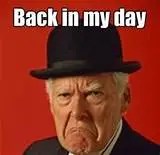
When my friends and I were younger, we made fun of the elders who made statements about how life used to be. These older people would say things like “When I was your age,” or “Back in my day,” or even “When I was a kid.” Now that I am more mature, I frequently make those same comments to the younger people around me. So if you are older, you can laugh at this essay because you have said it. On the other hand, if you are a younger individual, you can roll your eyes just as I did back in my day.

Now that I have become older, I have seen the handshake’s significance seriously slip. I disappointingly realize that society has debased and devalued the meaning of a handshake, losing its importance. Disturbingly, most times, a simple fist bump or basic head nod with no genuine intention has replaced the once-valued handshake. NOTE: I understand fist bumping is necessary during cold and flu season. I am not insensitive.

When I meet a person for the first time, I reach out with an outstretched hand to signify the proper etiquette of a bygone era. Individuals who do not know me often have given me the fingertip handshake. This practice annoyed me greatly because of my feelings toward proper protocol procedures. I soon realized that people unfamiliar with me fear the unknown and think I might share my illness from contact, like passing poison ivy. These individuals also do not know what they do not know and fear a handshake with my wheeled brethren and me.

My friend Terry recently introduced me to Jill, and it did not go as a first-time handshake should have. Jill took my outstretched hand and quickly did a half shake in the downward motion and promptly dropped it like it was on fire. It felt like the cross between a half handshake and a let-go, Scott. I do not want to catch your cooties! Did she honestly think that way? Probably not, but feeling rejected for something I had no control over was hurtful.

They told me many years ago that your word is your bond, and the handshake seals the deal. Now it seems your word and handshake no longer have trust, honesty, and faith to stand behind them. The phrase my handshake is my bond is now the punchline of a joke bringing comedy, not conviction. I do not feel we limit this loss to wheelchair users, as this etiquette of yesteryear dies a slow death.

RIP: Handshake. You stood firm for so long.

Love Is in the Air…

Here is another oldie but goodie blog I have reworked, retooled, and remastered for your reading pleasure. I have done this to my previous post to bring it to you in high-quality HD, 4k, wireless, and at no cost to you. I understand there are plenty of things to read, so I am honored you made my humble ramblings part of your day. I hope my writing makes you smile, laugh, think, and consider all aspects of an issue, no matter the consequences. Enjoy!

Love Is in the Air…

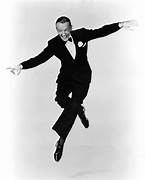
I found true beauty in the love of my life, and she has grace and elegance like none before her. My Lovely has the seductive curves of Marilyn Monroe and poetic symmetry allowing for Fred Astaire-like movements. This glamorous Venus enables me to be myself while helping to keep the independence I desire. However, receiving this alluring artistry was a brutal battle in which I needed real fortitude and strong tenacity to obtain. Unfortunately, the dispute was continually discouraging, exhausting the entire process. Let me tell you the story of getting my first fitted and life-altering wheelchair.

My first wheelchair was a standard hospital-style wheelchair I received from a donation agency. Gary, the guy from the agency, told me that ninety-nine percent of their requests are for power wheelchairs. He explained they would not ask for my donated chair back and that I should plan to keep this heavyweight hand-me-down. The chair was sixty-five pounds and folded but did not disassemble, and its size and weight made it very difficult to put into most vehicles. Although my mom often exercised and was relatively fit, she struggled to put it in her SUV.

After a lengthy discussion with my doctor, Dr. Lisa, she prescribed an ultra-light wheelchair which was best for my active lifestyle. I took the prescription to a local seating clinic, where the discouraging part of the story began and common sense ended. Into the clinic, I rolled in my oversized and ill-fitting for my gaunt body wheelchair and could see people test-driving wheelchairs. Jill and Phil helped me sit on a slightly padded table to take a plethora of body measurements to ensure the best-fitted wheelchair. It is imperative when using a personal-sized chair for such a long time it should encourage complete comfort.

Jill made a statement that threw me for a loop as a 38-year-old active man in relatively good health. Without discussing my options, she merely asked what I wanted in a power chair. Jill, Phil, and I did not discuss the pros and cons of the various styles of wheelchairs and why to choose one over another. She explained how power chairs are much easier to pass through Medicare. I vehemently spoke up, clarifying that I wanted a manual wheelchair and would wait for any extra time needed. After Jill made her suggestions encouraging me to get a power chair for the fifth time, I fervently reiterated my stance and said no thank you.

After Jill tried to convince me I needed a power chair, and I refused again, they lowered me onto a manual chair that loosely fit my frame. This interim chair existed to test and challenge my mobility ability and self-propel strength in hopes I would reconsider. I was too stubborn to cry, uncle, as I ran through the paces, up and down ramps, and over speed bumps. Jill doubted my conviction and continued to challenge my endurance, having me push down a long corridor. This relentless testing showed I was a stubborn Marine, unwilling to back down from the exhausting investigation.

My current wheelchair is custom-fit for me, weighs just over forty pounds, and glides smoothly. This lack of bulk allows me to propel myself in places without feeling like I am pushing a 400 lb wheelbarrow. The chair easily disassembles and can fit into vehicles from the super small to the sizably substantial. Its tires have airless inserts eliminating flat tires or the need for the manual manipulation of an air pump. It continually helps me keep my self-reliance and expands the list of places I can traverse unassisted.

I have successfully used a manual wheelchair for nine years and even completed a 5k in this rolling seat. Seating professional Jill should have focused on my physical needs rather than her financial desires. Sadly, there are plenty of kickbacks to pad bank accounts nicely. If you are a person who needs a power chair, there is no question you should have precisely what you need. However, how many people get emphatically encouraged to ask for a power chair they do not need? Greed in society is powerful, prevalent, and problematic, and I do not know how to resolve this issue.

Unfortunately, many people have become self-indulgent, asking themselves what they can gain from any situation. This me-ism-based world can hurt those in need and benefit those looking to get more for themselves. We must be diligent in knowing what we need to be heroic and hear our desires’ reasoning. Most importantly, we must be courageous, ask questions, and stand firm in defense of our ideals.

Be strong vocally and get strong physically.

Ain’t nothing but an app thing…

Here is a classic blog. I have squeezed out every ounce of editing like a lemon when making lemonade. I took this old dried-out chunk of paragraphs and blanched, boiled, and braised it like a piece of meat from the back of the freezer. My cooking has broken down the sentence fibers and tenderized my slab of ramblings, making it enjoyable for your consumption. Now sit back, relax, and enjoy that cold lemony drink as you read my updated writing from some time ago. Please enjoy! 

Ain’t nothing but an app thing…

I have spoken about how we benefit tremendously from the plethora of intelligent technologies. I have explained how futuristic inventions have improved all aspects of my life significantly. For example, tech has helped me open and close the door after answering it using a video doorbell while being in another part of the house. Using smart speakers verbally, I can set reminders, check the weather, listen to music, phone a friend, or even call for help. With these advancements, I can also turn on and off lights, the television, or ceiling fans and even open and close the garage door.

When I was younger, I knew a woman of a senior age named Janet who desperately depended on others for help with everything. She could not drive, and her handwriting was atrocious, making help from others extremely essential to her everyday life. Janet needed the assistance of people for all her transportation needs, whether at the grocery store or shopping for clothes. Friends would help her with money matters like writing checks, paying bills, and even opening the daily mail.

I am a very private person who desires independence and does not want to break the privacy palisade of my personal information. However, it is easy for me to keep my life details confidential in this world of “there’s an app for that.” I have banking, scheduling, and even delivery applications and a library, photo, and app for reviewing all of my apps. All this intelligent software makes it easy to keep a barrier between private and public information and helps me manage my life. 

My banking application has various skills. For example, it allows me to pay my bills by setting them up to be paid automatically or as a one-time payment. I can write checks, pay individuals, or schedule a transaction for a later date using the bank app on my cell phone. I can transfer money or send a cashier’s check anywhere and to anyone, all with the cell phone in my hand. My online financial institution is also open 24/7, so I can occasionally call if an account query puts me in a quandary.

I have food delivery apps that will deliver dinner from a diner at dusk or other forms of food on Friday. In the past, I needed treasures for tipping and papers for purchasing, but that is history as technology has raised modernity to new heights. Instead, I open the app for groceries or mealtime and pick the form of food, where to deliver it, and when to consume it. The application holds my details, like address and payment, and even allows me to tip all with a button. This situation reminds us we are heading towards, if not already, living in a cashless society.

When most people grocery shop at the local store, they can often roam like Nomads wandering through the desert. If you forget an item, a stroll through the local store might give a needed reminder to aid your brain box what that missed item is. While ordering groceries through the app, you will not stumble upon a reminder of what you left off your list. If you buy hot dogs through your phone, the application may suggest things like hot dog buns or chips, but it provides limited hints. On the positive side, purchases provoked by hunger will not happen using this grocery store on your cell phone.

There is an app for delivering a delicious dinner, a luscious lunch, or a meal at any time. Many restaurants offer their menu through multiple delivery services, yet the choice is yours for whom you should use. So the options are plentiful whether you want food from a Sports Pub or a white tablecloth restaurant. Finally, a simple systematic strategy for setting up these applications is as easy as downloading and signing up. It is unquestionably that straightforward.

When you are hungry and want a snack, it is really that simple: just open the app. Find the restaurant whose food you crave and go crazy, like you live in a cave. Merely browse the menus that they offer and find the enticing edibles, and they will chauffeur. Once you have the vittles from the restaurants you fancy, sit at the table and eat care freely.

At that point, your order sets a series of events in motion, all from that one button push that manipulates meal time forever. First, the app sends your order to the restaurant to begin prompt preparation and execute expeditiously. Before your order is ready, they send a message through the delivery app to let drivers know it is soon available for diligent delivery. Next, a driver visits the restaurant and picks your meal up for a quick search to find your house for prompt delivery. While being transported, you can even track the driver in real time through the app’s technological advancement.

Gone are the days of requirements to get dressed and enter a public space to have a sit-down meal. Instead, you can have fast food for one or slow food for ten, and all delivered quickly and conveniently to your chosen location. I was born at a great time, as I love my independence and require no help from others for tasks like these. I cannot wait to see what technology brings us next.

The cashless world is getting closer by the minute. 

Two Crimes, no Goods…

When I left the office of Doctor Hernandez, it was an extensive expedition wandering like a nomad moving to the front of the building. With the military, it was always “hurry up and wait,” thus my reason for sitting and hanging out until my transportation arrived. When the transport van showed up, the driver, Jim, lowered the lift, put me on it, and I rose at a snail’s pace until I could get into the vehicle. He carefully strapped me in as if I would explode if jostled, tightening every strap so I did not move during the trip. Like a gun, I was locked, cocked, and ready to rock, so Jim drove me home, where things stayed quiet the rest of the day.

The next few days ran as usual as I ate, wrote, and slept, although not necessarily in that order. Monotony ran supreme as I waited for the post office to deliver my package from the VA pharmacy. My rash had grown again like persistent poison ivy covering the top of my forearm, almost twice the size of a dollar bill. I used one of the over-the-counter lotions recommended by dermatologists, but it did little other than soothe some dry skin. My persistent rash was getting old, making me feel like mother nature and father time argued about giving me a reprieve.

Finally, five days later, my prescription arrived in the mail, and the excitement showed on my face like a five-year-old opening a toy at Christmas. Showing up in the evening was perfect timing because it got applied twice daily, so I started with an evening application. I twisted off the cap, flipped it around, used the plastic pin to puncture the foil, and spread some of the rehabilitating ointment. The query that put me in a quandary was about the new medication and how long it would take for the red rash to recede.

After five days of using the new prescription, no change relieved me of the medical malady which marred my arm. My brutal blemish had once again grown and wrapped around the underside of my forearm like a toothless shark bit me. The skin was not only dry but had become flaky and caused a gnarly residue of skin ash wherever I rested my arm. My puzzling predicament confused me, as I once again needed the help of a professional of the medical variety.

He added, not subtracted, when I told my doctor that my rash had not shrunk or decreased any small percentage in a week. Dr. Hernandez did not change my prescription; instead, he added to the list of my pharmaceuticals. He added cream to my ointment, telling me that two were better than one. Once again, I told the doctor I would wait for the snail mail from the United States Postal Service to receive my pharmacy package.

Six days after beginning the new cream, the differences were slight in visuals and significant in mental effects. The discouragement was that the rash had grown again, changing my mental status to gregariously grumpy Gus. Yes, I understand that gregarious and grumpy are opposing attitudes, but I wanted to point out that nothing could steal my positivity. Once again, it was time to seek the help of a medical professional and find my red rash remedy.

I talked with my doctor again, and Dr. Hernandez explained the next step in getting expert advice. He shared that gaining a dermatologist was my next move, a seventy-minute drive to Gainesville, Florida. When I told Hernandez I did not want to travel over an hour for a rash, he laughed and said there was another way. The doc told me I would attend a photo shoot here in town starring my rash with no travel necessary. After the Veterans Administration imaging session, they would forward the pictures to dermatology in Gainesville, Florida. At that point, I would wait for a reply via snail mail.

It was disconcerting to see the medical world veterans must fight through to get our needed help. And how a simple rash turned into a forty-seven-step procedure that I had to dance through like a ballerina in The Nutcracker. There is always too much money for tank and bomb builders, but other than in rare cases, our veterans do not get what we deserve. Nearly 50,000 of my brother and sister veterans are homeless in America, which our politicians should be ashamed of.

Like the Energizer Bunny, the rash kept going.

A rash of crime…

The primary care doctor should initially help with every issue before it becomes a conflagration of irritation. But, disappointingly, this can often lead to the beginning of a hoop-jumping obstacle course as no dog show has ever had. These PCP doctors want to help their patients with quick alleviation from their ailments. However, they only sometimes know where the line in the sand lies before requiring the attendance of a specialist. The following is my torturous torpid tail as I traveled through the veteran’s administration medical world in search of a rash rescue.

I had a patch of skin on the top of my forearm, slightly smaller than two half dollars side by side. Unfortunately, this rash plagued me with itchy, dry skin and redness that Rudolph the Reindeer would be proud of. Attempting to solve this problem myself, I tried various over-the-counter ointments, creams, lotions, and potions to no avail. Each product resolved one issue but left several untouched, encouraging me to try them all at once, again without relief. I wore the rash like jewelry, all shiny and red, but the itching was brutal, especially when I got into bed.

This attempt at self-healing continued for over a month, trying each lotion for several days or more. I tried this lotion for a week, cream for three days, ointments for two days, and potions for nearly three weeks. My effort at holistic healing was a battle that made for a long and arduous process rivaling any military maneuver. At the end of this time frame, I had nothing to show for it except for more rash and less cream shrinking my medicine cabinet and wallet. Finally, my Boy Scout and Marine Corps first aid training encouraged me to search for a medical professional to step in.

I was sitting in my doctor’s receptionist area, eagerly waiting to hear my name called as I felt I was the next up to bat. To prepare for my Primary care doctor visit, I listed things I wanted to discuss during the appointment, searching for my irritation alleviation. My rash had grown again, making me anxious to show my doctor and receive a rapid remedy to eliminate my excessive scratching. Since my red, bright blemish was the priority for this visit, I put it at the end of my discussion points to allow more time to talk.

Doctor Hernandez was all smiles when he greeted me upon his arrival in the exam room. He was from Mexico and very talkative about VA Hospital politics, the treatment of veterans, and even medicine in Mexico. Hernandez was quite loquacious, making our random conversation last twenty minutes before we got to my list. I tried several times to interrupt our meandering chat to discuss my list, but it felt like fighting a losing battle as the doctor continued our wandering. Finally, the doc drove our conversation back into the center lane to discuss my list and the reason for my visit.

Storing my list on my cell phone, I opened the app and read eggs, milk, and cereal. I realized it was the wrong docket and quickly fumbled with my phone, trying not to waste the time of Dr. Hernandez. Instantly I opened the correct list and began my continual query as to the solution for each thing that bothered me. Although the tabulation was somewhat lengthy, we breezed through all the items until we got to the rash reason for my visit.

I explained that the primary purpose for my visit that day was simply a brutal blemish that marred my arm and caused excessive scratching. Within the span of a blink, the doctor looked at my arm and then looked back at his computer. Then, without hesitation, consideration, or explanation for my consternation, he whipped out his prescription pad and scribbled away. I told him I wanted the prescription mailed to me to avoid the pharmacy, and he quickly replied absolutely.

This topic was a minor, although incredibly itchy, issue that an ointment prescription should have resolved, allowing an open and shut case. However, sadly, my story was anything but open and shut, making for a red tape travesty that took too long. With the Veterans Administration, many redundant and unnecessary steps cause a slowdown in veteran treatment. Of course, many veterans are probably reading this and nodding their heads in sympathetic understanding. Although this is the end of my blog, it is far from the end of my story and the rash reckoning to come. 

 How do you eat an elephant? One bite at a time.

I owe my soul to the company store…

This blog entry is part two of my new neurologist doctor’s visit to a faraway land called Gainesville, Florida. I had been in Florida for approximately six months and was unfamiliar with all aspects of Floridian life. However, arriving from Ohio, my surroundings were very different, and so was the Florida Veterans Administration. So please accompany me as I continue the story about my first neurological doctor visit to the Florida Veterans Administration.

As we wiped our teary eyes from the excessive laughter, Nurse Joy walked me to another hallway waiting area. Several people spread around the waiting area like pepper on a dinner plate, so I rolled in and became one of the spicy seasonings. The majority of the waiting patients chatted and gathered around a doorway anonymously labeled room 421. Just then, a thought popped into my brain, and my head swayed back and forth as I looked for a restroom to prepare for the facility’s inevitabilities.

At that moment, student doctor Lisa stepped into the hallway and called my name, reminding me that timing is everything. This precise predicament made me think of that old commercial where the person desperately searches for a restroom. As they seek this resolution solution, their brain screams, “Gotta go, gotta go, gotta go right now.” At that point, my body hauntingly said to me in an evil villain voice, “Not yet, but soon.”

Dr. Lisa guided me into a room on the other end of the hallway, and I tried making her laugh, but sadly, not everyone has a sense of humor. The space was open, with a computer desk, a floor lamp, a medicine cabinet, and an examination bed to satisfy the American Medical Association. While it was large enough for its contents, it was still small, and negotiating the room in my manual wheelchair made for tight maneuverability. Lisa began by asking a plethora of probing puzzles that only I could solve using my life’s MS history. Next, we roamed my past with a fine-tooth comb as she jotted, dotted, and scribbled notes in my medical records. Finally, after about twenty minutes, Lisa said it was time to get the primary doctor and left with a purpose.

I sat for just a moment to wait for the doctor and quickly changed my plans, and peered out the door. I entered the hallway searching for a men’s room to release without haste, hoping to return before the doctor. However, my body reminded me that “not yet, but soon” quickly became time to search for a lavatory. Around the corner and passed an empty receptionist’s desk, I found the restroom and rolled in. I was unfamiliar with the surroundings, making the task take much longer than the typical procedure.

When I reentered the room, Lisa introduced me to Dr. Chan, a neurology doctor with the Veterans Administration. I apologized for my excessive absence and explained my bladder and unfamiliarity with the surroundings were to blame for this lame game. Unfortunately, wasting time was not on the agenda for the doctor as she ridiculed my medication choice, as it was not one of the standard MS meds. With a smile, I vehemently stood my ground as our verbal sparring continually discussed her medical degree versus my owning my body. I do not believe she appreciated my smile just then, but this discussion was one disagreement in my life I knew I would win.

Suddenly, a loud knock on the door startled us, taking the wind out of our sails and briefly disrupting our contentious conversation. Dr. Chan stood up, answered the door, and met medical assistant Sandra. The MA shared it was her doctor’s time for this room and requested everyone’s departure. Chan explained she needed just a few more minutes, and Sandra accepted and walked away.

The doctor returned to the lost cause conversation and began fervently praising the MS medications again. I smiled and nodded as I felt this conversation was superfluous and unnecessarily raised my blood pressure from the at-times heated discussion. Another rattan-tat-tap came to the door, quieting our senseless conversation and another visit from Sandra. Chan tried throwing me under the bus to get more time by explaining I visited the loo, which cut our time. The medical assistant, Sandra, was not having it and requested we vacate the room.

We stayed in the hallway after our eviction from the room, briefly discussing final issues and future goals. I do not feel that Dr. Chan and I talked about anything that concerned me about HIPAA issues, as the hallway was empty. Instead, the doctor explained that she wanted me to research the medications for MS, which was a straightforward task for me, as I was uninterested. Chan also made plans for me to get an MRI of my brain and spine, hoping to find that elusive new plaque that would prove I needed her MS medications.

I was exhausted from my meandering expedition to get to the location in the building to see my new VA doctor of neurology. Since I saw this doctor in a neurology clinic, I am still determining if I will get to see the same doctor every time. However, I am unhappy with the doctor because she spent the entire time quarreling with me about medication. Only time will tell how the Florida Veterans Administration works for me and how I will manage the system.

Day is done, gone the sun.

Lost in a Land Down Under…

Setting up my many doctor appointments after moving to Florida was a dreadfully daunting duty. In Ohio, I saw various “ists” like a urologist, podiatrist, and even occasionally, a phlebotomist, to name but a few. So when it was time to see a VA neurologist, I knew it would be an excursion to the Veterans Administration in a faraway land. Unfortunately, I had to travel just over one hour to Gainesville, Florida, to see a doctor of neurology through the Veterans Administration. Of course, I am not complaining about this travel time because many of my veteran brethren must travel much farther.

Once I had the doctor’s appointment, I scheduled a ride to a place approximately seventy minutes away. They quickly approved me for a VA door-to-door transportation service that uses accessible vehicles. Greeted by the driver, Tom, and trainee Daniel, they carefully strapped me into the minivan like I was a package from Saks Fifth Avenue. The trainee was quiet even when I tried to involve him in the conversation, although Tom was more talkative, which felt like it reduced the distance.

So, after a long seventy-seven-minute drive, we pulled up to a portico where I could exit the vehicle to see this massive building monstrosity. This edifice looked like three VA facilities from Columbus, Ohio, could fit inside the structure with room to spare. Tom unstrapped me from my tie-downs, then Dan pulled me from the van and pushed me into the building, thus concluding the door-to-door service. The receptionist desk was prominent, while the waiting area was capacious and filled with plenty of waiting customers. Donna, the front office worker, helped me check in and then asked me to sit in the lobby and wait for a volunteer helper.

The Veterans Administration has volunteers working to help the veterans navigate their buildings. Volunteer Michael pushed a large empty cart of trays and stopped to guide me to my distant destination. I moved like a snail late for a hot date, so I asked for help pushing, and “immediately” was his reply, and he instantly stored his cart. Mike is the nickname he used instead of Michael on his name tag, but he quickly grabbed the push handles on my wheelchair, and away we went. 

Mike pushed me through the building, past mostly anonymously labeled doors when we arrived at the elevator. He caught the elevator’s door just before it closed, and we rode it up to the third floor, where everything looked as clinical as the previous floor. Rolling down the long hallways and making two right turns and a left, we soon arrived at a small window labeled neurology clinic. The receptionist, Cliff, whistled like he had no care in the world. He then explained we were at the wrong neurology office and proceeded to tell us, well, tell Mike where the other neurology clinic was and gave directions on how to get there.

As we departed the first clinic and headed to the second, we made one right turn and two lefts, stopping back at the elevators. Mike and I arrived on the fourth floor as the directions led us to neurology clinic number two, and I began the check-in process again. Although I called her popcorn, receptionist Michelle asked my name and started rapidly tapping on her keyboard, sounding like the corn snack popping in the microwave. Then, she asked me to sit in the waiting area, and I quickly replied with a smirk, “I sit in every room I am in,” Michelle laughed out loud.

I was anxious, so it felt like I waited for hours, but it was less than ten minutes in the hallway waiting area. Finally, nurse Joy took me to a cubicle with medical supplies, a cart with a computer, and just enough space for my small manual wheelchair. The nurse had an exuberant, jovial attitude that matched her namesake, and our amusing chuckles often thundered out of her cubicle. Our laughter was harmonious, though it caused my vitals to be out of sync, causing a ten-minute process to become a thirty-five-minute endeavor.

It was an extremely long and exhausting day that would go in the record books of facilities to avoid because of distance. Thankfully the Veterans Administration in Florida uses video appointments, making in-person meetings rare. My neurologist Dr. Fein prefers that I have an office visit four times a year, yet only one must be in person. Stay tuned for next week’s thrilling conclusion of the visit to my new Florida Veterans Administration neurologist Dr. Fein.

You spin me right ’round like a record.